
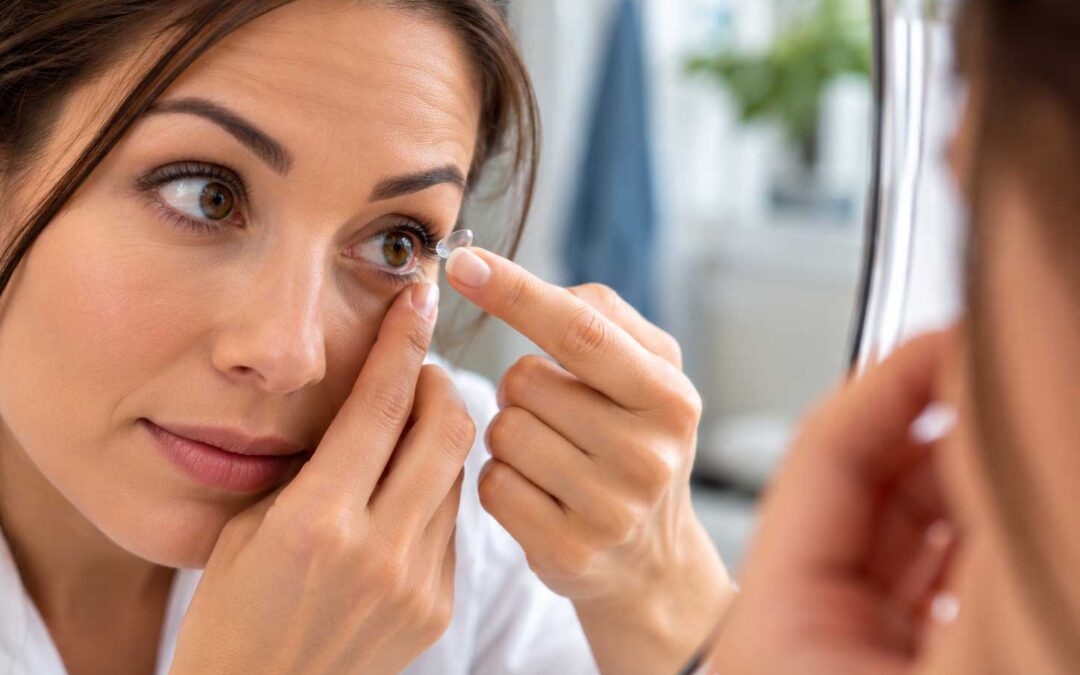
7 Contact Lens Myths You Should Not Believe
Contact lenses offer a convenient alternative to glasses, but with convenience comes a swirl of myths and misinformation. Separating fact from fiction can help you avoid common contact lens mistakes and keep your eyes healthy. In this post, we debunk seven prevalent myths and replace them with practical guidance you can trust.
Introduction: Debunking Myths to Protect Eye Health
Misconceptions about contact lenses abound, from how long you can wear them to what you can safely do while wearing them. Believing these myths can lead to irritation, infections, or more serious eye problems. By understanding the truth behind common contact lens mistakes, you can enjoy clear vision without compromising eye health.
Myth 1: You can sleep in any pair of lenses without issues
Many people assume that sleeping in contact lenses is harmless or only temporarily uncomfortable. In reality, most daily wear lenses are not approved for overnight use. Sleeping in lenses can reduce oxygen to the cornea, increase the risk of small bacterial infections, and lead to red eyes or corneal ulcers in severe cases. If you must sleep in lenses, use lenses approved for overnight wear and follow your eye care professional’s recommendations. Always remove lenses before bed if they aren’t approved for overnight use.
Myth 2: All contact lens solutions are interchangeable
There are different types of contact lens solutions designed for cleaning, storing, and rewetting lenses. Some are for soft lenses, some for rigid gas-permeable lenses, and others are multipurpose. Using the wrong solution can irritate your eyes, degrade lens materials, or leave behind residues that cause discomfort. Always follow the solution instructions and your optometrist’s guidance. If you notice irritation, switch to the recommended solution and consult your eye care professional.
Myth 3: You can shower or swim while wearing lenses
Water exposure with lenses in place increases the risk of eye infections, including by Acanthamoeba, a rare but serious parasite. Showering, swimming, or using hot tubs with contacts can introduce contaminants to the eye. If you need to wear lenses in water-prone activities, use waterproof swim goggles or consider switching to daily disposables and discard them after swimming. After water exposure, thoroughly wash hands and properly clean or discard lenses according to your eye care professional’s advice.
Myth 4: All lenses are the same; one size fits all
Lens options vary by material, thickness, oxygen permeability (Dk/t), and design. There are daily disposables, biweekly, monthly, toric for astigmatism, and multifocal lenses for presbyopia. Each type has specific wear schedules and care requirements. Getting fitted by an eye professional ensures you receive lenses that suit your eyes, lifestyle, and prescription. Don’t assume a one-size-fits-all approach will work.
Myth 5: If it feels fine, there’s no risk
Comfort is not a reliable indicator of safety. Lenses can harbor deposits or micro-abrasions that harm the cornea over time, even when they feel comfortable. Regular eye exams, watching for redness, tearing, or discharge, and adhering to replacement schedules are essential. If you notice persistent discomfort, remove the lenses and consult your eye care professional promptly.
Myth 6: You should clean lenses with tap water
Tap water can contain microorganisms that are harmless to the general population but can cause severe eye infections when introduced to contact lenses. Always use the cleaning and storage solutions recommended by your eye care professional. To minimize risk, avoid rinsing lenses with tap water and never store lenses in water-filled containers.
Myth 7: You can wear contacts forever; they don’t expire
Contacts have recommended replacement schedules precisely to reduce infection risk and maintain lens performance. Over time, lenses can accumulate deposits and lose their shape, affecting vision and comfort. Adhering to the replacement timeline, daily, biweekly, monthly, or as prescribed, helps protect your eyes and maximize lens performance.
7 Contact Lens Myths You Should Not Believe – Final thoughts: Make informed choices and protect your vision
Myth-busting is more than a curiosity; it’s a practical approach to safeguarding eye health. By avoiding common contact lens mistakes and following professional guidance, you can enjoy the benefits of contact lenses with reduced risk. If you’re ever unsure, schedule an eye exam or contact lens fitting with an eye care professional to get personalized recommendations tailored to your eyes and lifestyle.
Visit our blog page for more informative articles