
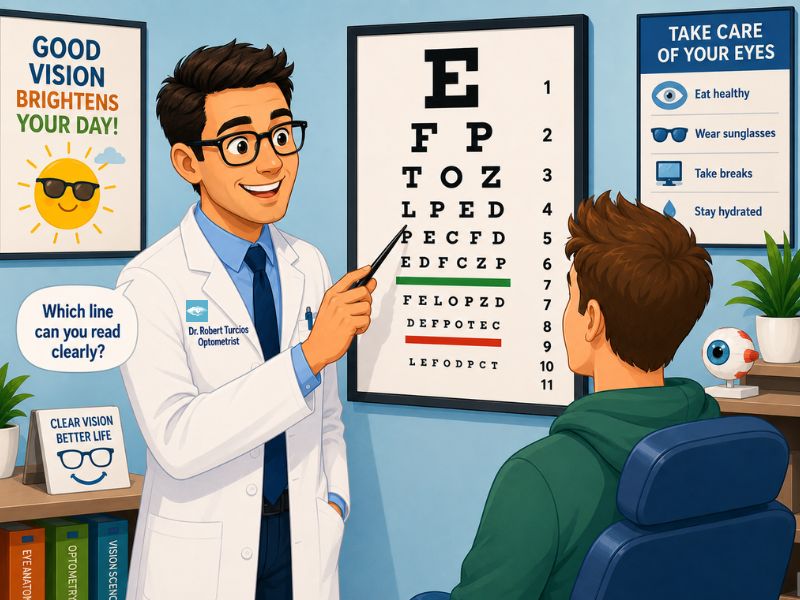
What Conditions Can Be Detected at an Eye Test?
What Conditions Can Be Detected at an Eye Test? Eye tests are about more than just measuring how well you can read a chart. They are a window into the health of your eyes and, in some cases, your overall well-being. Understanding what an eye test can detect helps you take timely action to protect your vision and address potential health issues early. In this post, we explore what do eye tests detect, the range of conditions commonly identified, and what to expect during a comprehensive eye examination.
Introduction: Why an Eye Test Matters
Many people think an eye test is solely for updating glasses or contact lens prescriptions. While refractive errors like myopia, hyperopia, and astigmatism are certainly part of the process, a thorough eye examination can reveal signs of diseases and systemic conditions that may not present obvious symptoms. Regular eye checks become a preventative tool, guiding you toward sooner treatment and better outcomes.
What do eye tests detect? A broad view
An eye test, especially a comprehensive eye exam performed by an optometrist or ophthalmologist, can detect:
- Refractive errors (nearsightedness, farsightedness, astigmatism)
- Eye diseases (glaucoma, cataracts, age-related macular degeneration)
- Retinal and optic nerve conditions (diabetic retinopathy, hypertensive retinopathy)
- Systemic health indicators (high blood pressure, diabetes markers)
- Other eye health issues (dry eye, infections, injuries)
The specific findings depend on the tests performed and the patient’s risk factors. Below is a deeper look at the common conditions clinicians screen for and what they involve.
Refractive errors: the first clue
During a typical eye test, your eye care professional checks how your eyes focus light onto the retina. Refractive errors occur when the shape of your eye prevents light from focusing correctly. The result is blurry vision at certain distances.
- What do eye tests detect about refractive errors: They determine whether you need glasses or contact lenses and estimate the appropriate prescription.
- Importance: Correcting refractive errors improves daily functioning, reduces eye strain, and supports academic or professional performance.
Glaucoma: a silent threat to your vision
Glaucoma is a leading cause of irreversible blindness worldwide. It often shows no early symptoms, making screening essential.
- What do eye tests detect: Changes in the optic nerve, abnormal intraocular pressure (IOP), and peripheral vision loss.
- How it’s detected: A comprehensive exam includes measuring IOP, examining the optic nerve with specialized equipment, and evaluating your peripheral vision. In some cases, imaging tests like optical coherence tomography (OCT) provide detailed nerve health assessments.
- Why it matters: Early detection allows for treatment to slow or prevent progression, preserving vision.
Cataracts: clouding of the lens
Cataracts are common with age but can occur for other reasons as well, including trauma or certain medications.
- What do eye tests detect: Clouding of the natural lens, visual acuity changes, and how light is scattered in the eye.
- How it’s detected: A slit-lamp examination and a basic vision test reveal lens opacity and its impact on vision.
- Why it matters: Cataracts can be surgically removed to restore clear vision, often with excellent outcomes.
Age-related macular degeneration (AMD)
AMD affects the central part of the retina (the macula) and can lead to central vision loss.
- What do eye tests detect: Changes in the retina and macula, including pigment changes and the presence of drusen (yellow deposits).
- How it’s detected: Dilated eye exam, retinal imaging, and functional tests like Amsler grid screening.
- Why it matters: Early detection enables monitoring and potential treatment options that may slow progression.
Diabetic retinopathy and systemic health indicators
Diabetes can have a significant impact on the eyes, sometimes years before other symptoms appear.
- What do eye tests detect: Blood vessel changes in the retina, swelling, hemorrhages, and nerve damage associated with diabetes.
- How it’s detected: Dilated eye exam, retinal photographs, and sometimes fluorescein angiography.
- Why it matters: Detecting retinopathy prompts diabetes management changes and can prevent severe vision loss.
Hypertension can also leave a telltale signature on the retina, a condition known as hypertensive retinopathy.
- What do eye tests detect: Retinal vessel changes, cotton-wool spots, hemorrhages, and optic nerve changes related to high blood pressure.
- Why it matters: It provides a signal to evaluate cardiovascular health and risk factors.
Other conditions detectable at an eye test
- Dry eye and surface disorders: Symptoms like burning, grittiness, and fluctuating vision can be assessed, and tear film quality evaluated.
- Infections and inflammations: Red eye, discharge, or conjunctival inflammation may hint at bacterial, viral, or inflammatory processes.
- Eye injuries and trauma: An eye exam can assess structural damage, foreign bodies, or internal injuries.
- Pediatric vision problems: Childhood eye exams screen for amblyopia (lazy eye), binocular vision disorders, and refractive issues that can affect learning.
What to expect during a comprehensive eye exam
A thorough eye test may include:
- History and questions about vision, health, and family history
- Visual acuity testing (read letters on a chart)
- Refraction assessment to determine prescription
- Slit-lamp exam to inspect the front and middle sections of the eye
- Pupil dilation to examine the retina and optic nerve (often recommended for a complete assessment)
- IOP measurement for glaucoma screening
- Retinal imaging or OCT in many cases
- Color vision testing and peripheral vision checks in some evaluations
If you have specific concerns, such as a family history of eye disease, diabetes, or high blood pressure, discuss these with your clinician. Tailoring the exam to your risk factors can improve early detection.
When you should schedule an eye test
General guidelines suggest:
- Adults aged 18-60: every 2 years if vision is stable; annually if you have risk factors or wear contact lenses.
- Adults over 60: annually or more frequently, given the higher likelihood of cataracts, AMD, and glaucoma.
- Children: periodic screenings as recommended by pediatricians or schools; early detection of refractive and binocular problems supports learning.
If you notice sudden vision changes, severe eye pain, flashes of light, or a lasting change in vision, seek urgent care.
What Conditions Can Be Detected at an Eye Test? – Final thoughts: The value of proactive eye health
What do eye tests detect? A well-rounded eye screening looks for refractive needs, diseases such as glaucoma, cataracts, and AMD, as well as signs of systemic conditions like diabetes and hypertension. Regular eye exams are a practical, proactive step in maintaining not only sharp vision but overall health. By prioritizing eye health, you empower yourself to address issues early, access effective treatments, and maintain a higher quality of life. If you haven’t had an eye test in a while, consider booking a comprehensive exam and use it as a routine health checkpoint. Your eyes, and your future self, will thank you.
Visit our blog page for more informative articles!