
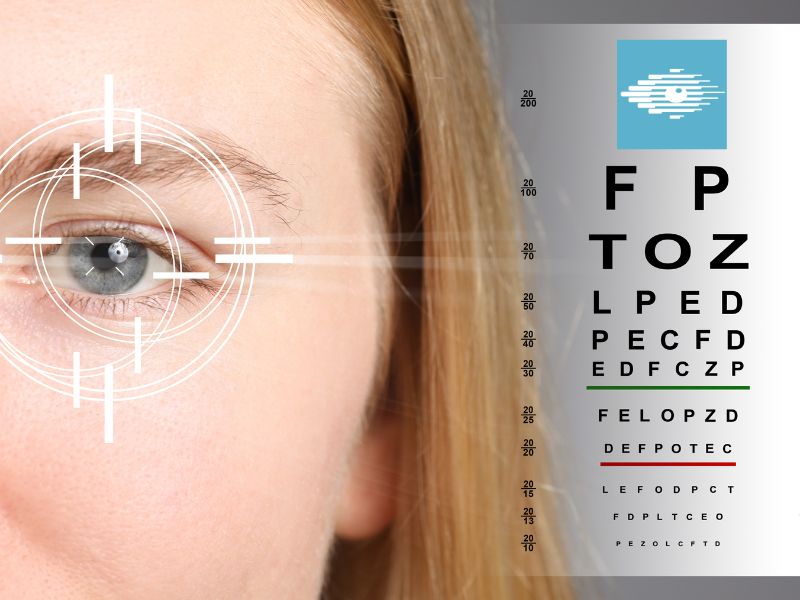
Will Eye Exercises Improve eyesight?
Eye health is a topic that interests many people, especially those who spend long hours in front of screens. The question “Will eye exercises improve eyesight?” comes up frequently. In this post, we’ll explore what eye exercises are, what they can and cannot do, and how to approach eye care in a practical, evidence-based way. We’ll also weave in practical tips for reducing eye strain and supporting overall vision health.
Introduction: Understanding eye exercises
Eye exercises refer to a range of activities aimed at strengthening the muscles around the eyes, improving focusing ability, or relaxing the eyes after prolonged use. Proponents claim that these exercises can sharpen vision, reduce fatigue, or even correct refractive errors. However, it’s important to distinguish between eye exercises that serve as comfortable routines for reducing strain and those that promise to permanently improve refractive errors like myopia, hyperopia, or astigmatism.
This post will explore the science behind eye exercises and offer guidance on practical usage, always grounded in current ophthalmology principles. The keyword eye exercises will appear throughout to keep the topic front and center.
What the science says about eye exercises
The most well-supported benefits of eye exercises are related to reducing eye strain and improving comfort during near work. When we focus on close objects for extended periods, the ciliary muscles and other parts of the focusing system work harder. Taking breaks, performing simple accommodation and accommodation-vergence routines, and practicing relaxed viewing can help mitigate symptoms like dryness, blurred distance, or headaches.
However, for refractive errors that are present at birth or develop over time, there is limited evidence that eye exercises can permanently improve visual acuity. Conditions such as myopia (nearsightedness), hyperopia (farsightedness), and astigmatism are typically structural or developmental in nature, and their correction generally relies on corrective lenses, contact lenses, or refractive surgery. Eye exercises may not change the optical structure of the eye in a lasting, clinically meaningful way.
There is a notable exception for certain binocular vision problems in children, such as convergence insufficiency, where targeted vision therapy can improve coordination between the eyes. In these cases, a structured program under professional supervision can yield meaningful improvements. But even then, the goals are often to improve coordination and comfort rather than to overhaul the underlying refractive error.
Practical, evidence-based approaches to eye care
If you’re curious about eye exercises, here are practical guidelines to maximize eye comfort and protect vision without expecting miracles:
- Use the 20-20-20 rule: every 20 minutes, look at something 20 feet away for at least 20 seconds. This helps relax the focusing muscles and reduces eye strain from screens.
- Blink regularly to keep the surface of the eye moist. Consider artificial tears if you experience dryness, especially in air-conditioned environments.
- Maintain proper screen ergonomics: adjust font size, contrast, and brightness; position your monitor about an arm’s length away and slightly below eye level.
- Take regular breaks from near work to give your eyes a rest. Short, frequent breaks can be more effective than long, infrequent ones.
- Engage in general eye-healthy habits: eat a balanced diet rich in leafy greens, omega-3 fatty acids, and antioxidants; stay hydrated; avoid smoking; wear sunglasses to protect against UV damage.
- If you have persistent vision changes, headaches, double vision, or eye pain, consult an eye care professional promptly.
Eye exercises for specific concerns
While there is limited evidence that general eye exercises improve refractive errors, certain eye exercise routines can be useful for specific concerns:
- Convergence exercises for binocular vision issues: When children or adults have difficulty converging the eyes on near tasks, a structured therapy program under the guidance of a vision therapist can improve eye coordination.
- Accommodative training: Exercises that focus on stamina for focusing can help with eyestrain during prolonged reading or screen use.
- Relaxation techniques: Simple eye-rolling or palming exercises can provide temporary relief from fatigue and tension, though they do not alter underlying vision.
These practices should be approached with caution and, ideally, under professional supervision if there is a suspected binocular or focusing problem.
Debunking common myths about eye exercises
- Myth: Eye exercises can permanently correct myopia or astigmatism. Reality: Most refractive errors are related to the shape of the cornea or the eye length. Eye exercises do not reliably change these structural factors.
- Myth: If I do more eye exercises, my vision will drastically improve. Reality: While some people may experience subjective relief from strain, there is no robust evidence of large, lasting improvements in acuity from generic eye exercise routines.
- Myth: Eye exercises replace glasses or contact lenses. Reality: For many people, glasses or contacts remain the simplest and most effective correction for refractive errors. In some cases, surgical options may be considered after thorough evaluation.
Will Eye Exercises Improve eyesight? – Final thoughts
Eye exercises can be a helpful part of a broader approach to eye health, primarily for reducing eye strain and improving comfort during near tasks. They are not a guaranteed method to permanently improve eyesight or reverse refractive errors. For genuine changes in vision, rely on evidence-based practices: proper lighting, regular eye exams, appropriate corrective lenses, and professional advice when considering therapies for binocular vision issues. If you’re curious about eye exercises, use them as a gentle routine to support eye comfort rather than a cure-all. Your eyes deserve careful care, and a balanced strategy will help you maintain comfortable, healthy vision over time.
Visit our blog page for more informative articles