
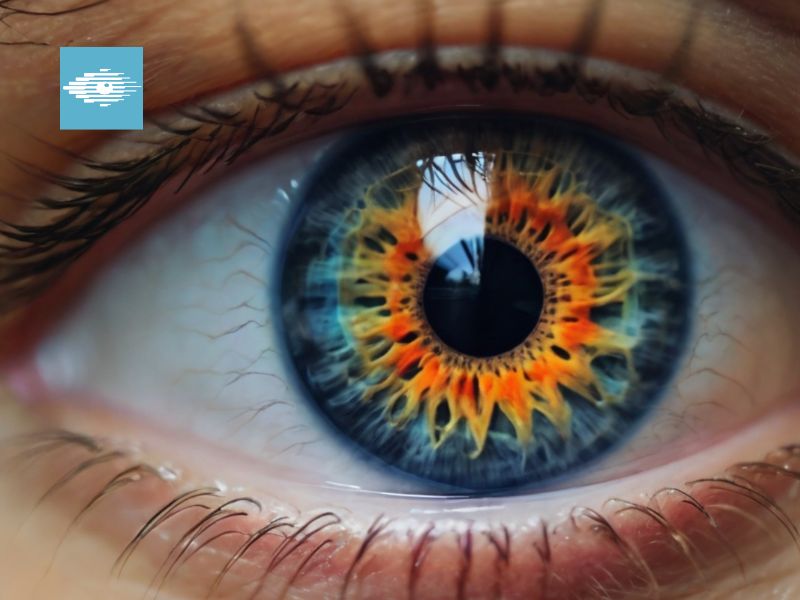
What Is the Perfect Vision Stats?
What Is the Perfect Vision Stats? Vision is a cornerstone of how we experience the world. When people talk about “perfect vision,” they often mean clarity, comfort, and reliability in what they see daily. In the world of eye health and optometry, vision statistics help researchers, clinicians, and patients understand how well our eyes perform under various conditions. This post explores what vision statistics are, how they’re measured, and what they imply for everyday life.
Introduction: Why Vision Statistics Matter
Vision statistics are more than numbers on a chart. They provide a snapshot of ocular health trends, guide decisions about screening intervals, and help set expectations for corrective options like glasses, contact lenses, or surgical interventions. By understanding vision statistics, you can better evaluate what “normal” means for you and what steps you might take to optimize your own vision.
In this article, we’ll delve into common measures, how they’re interpreted, and what the term “perfect vision” might translate to in real-world terms. We’ll also address common myths and clarify the limitations of vision statistics in predicting individual outcomes.
What Do Vision Statistics Include?
Vision statistics encompass a range of measurements that describe how well a person can see and how stable their vision is over time. Key components include:
- Visual Acuity: The sharpness or clarity of vision, typically measured with eye charts. The standard reference is 20/20, but many people see better than that, such as 20/15 or 20/10.
- Refractive Error Distribution: Describes nearsightedness (myopia), farsightedness (hyperopia), and astigmatism within a population.
- Contrast Sensitivity: How well the eye detects differences in light and dark, which affects the ability to distinguish objects in low-contrast situations.
- Visual Field: The total area in which objects can be seen in peripheral vision while the eye is focus fixed.
- Color Vision: The ability to distinguish colors, which can be affected by conditions like color blindness.
- Safety and Quality Metrics: Rates of complications from procedures, adherence to screening guidelines, and access to care.
These statistics are collected through large-scale epidemiological studies, clinical trials, and routine eye exams. They help researchers identify trends such as the prevalence of myopia in urban communities or the average age at which presbyopia begins.
Understanding Visual Acuity: The Cornerstone of Vision Statistics
Visual acuity (VA) is often the most familiar vision statistic. It’s measured using standardized eye charts, usually at a distance of 20 feet (or 6 meters in metric systems). A VA of 20/20 means the person can read at 20 feet what a person with normal vision should read at 20 feet. If someone has 20/40 vision, they must be at 20 feet to read what a person with normal vision could read at 40 feet.
However, perfect vision is not always synonymous with 20/20. Some people have better than normal acuity (for example, 20/15 or 20/10) but may still experience visual limitations in real life due to other factors like contrast sensitivity or glare. Conversely, someone may achieve 20/20 under ideal conditions but struggle in everyday environments due to conditions such as cataracts or dry eye.
Population Trends and What They Tell Us
Vision statistics also reveal how eyesight changes across populations and over time. For instance:
- Myopia prevalence has risen markedly in many parts of the world, particularly in East Asia, driven by lifestyle factors such as increased near work and reduced time outdoors.
- Age-related conditions like presbyopia and cataracts shift the distribution of visual function in older adults.
- Access to eye care and adherence to routine eye exams influence the detection and management of vision problems, which in turn affects overall statistics.
These trends aren’t just numbers; they signal public health priorities. If vision statistics show a rising rate of myopia among children, policymakers and educators might advocate for more outdoor time in schools or stricter limits on digital device use in early childhood.
Interpreting “Perfect Vision” in Real Life
The phrase “perfect vision” often implies the best possible clarity under optimal circumstances. In practice, several factors influence whether someone experiences what they would call perfect vision:
- Optical quality: Clean lenses, absence of refractive error, and healthy corneal surface.
- Neural processing: The brain’s ability to interpret visual information, which can be influenced by attention and fatigue.
- Environmental conditions: Lighting, glare, and contrast affect how we perceive details.
- Health conditions: Glaucoma, macular degeneration, and other diseases can degrade vision even if acuity measurements suggest otherwise.
Vision statistics must be interpreted with these nuances in mind. They provide a framework for understanding average performance and risk, not a guaranteed outcome for any individual.
Common Myths About Vision Statistics
- Myth: 20/20 vision is the ultimate goal for everyone. Reality: While 20/20 is a common benchmark, individual needs vary. Some people function best with a bit of myopia or hyperopia corrected, depending on lifestyle and occupational tasks.
- Myth: Vision statistics predict exactly how well I’ll see in the future. Reality: Statistics describe groups and averages; they cannot precisely forecast an individual’s trajectory. Personal risk factors and medical history play significant roles.
- Myth: Color vision isn’t important for most adults. Reality: Color vision can impact daily tasks and safety in certain jobs, such as electricians or pilots, making color vision statistics relevant for occupational screening.
What Is the Perfect Vision Stats? – Final Thoughts
Vision statistics offer valuable insights into how well people see on average and where we might focus efforts to improve eye health. They help clinicians tailor treatments, guide public health initiatives, and encourage individuals to seek regular eye care. While the idea of “perfect vision” is appealing, it’s more practical to aim for optimal, healthy vision that meets your personal needs under varied conditions. By understanding visual acuity, refractive error distribution, contrast sensitivity, and other vision statistics, you can have informed conversations with your eye care professional and set realistic expectations for your eye health journey. Vision statistics, when interpreted thoughtfully, empower us to protect and enhance one of our most important senses.
Contact Advanced Eyecare Optometry today to schedule your first (or next) eye appointmen