
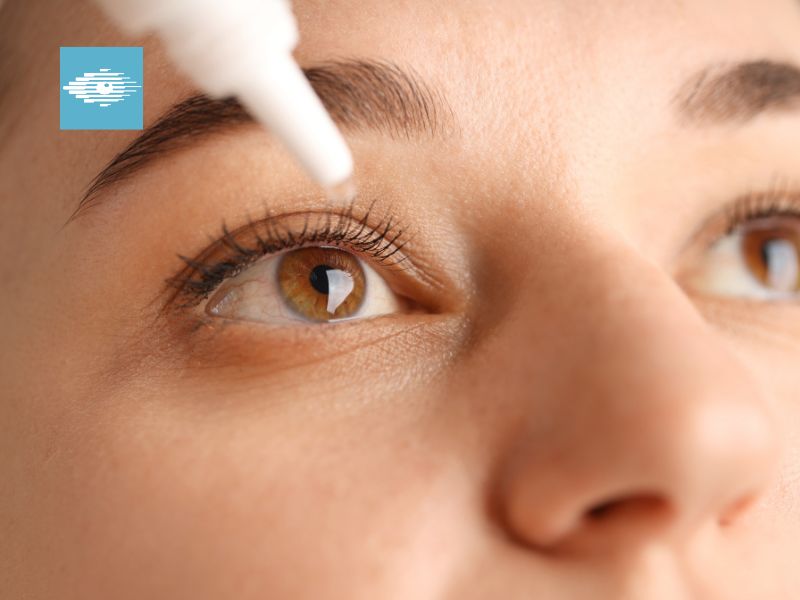
How to Properly Use Eye Drops
Taking care of your eyes is essential for maintaining clear vision and overall comfort. Whether you’re managing dry eyes, allergies, or occasional irritation, using eye drops correctly can make a world of difference. In this guide, a physician shares practical, step-by-step advice on how to use eye drops properly, with a special focus on spring eye care.
Why Proper Eye Drop Use Matters
Eye drops are a common first-line remedy for many eye discomforts. However, using them incorrectly can reduce effectiveness, cause contamination, or even worsen symptoms. By following best practices, you can maximize relief, minimize side effects, and protect your eye health, especially during the spring when allergens and pollutants are more prevalent.
Key reasons to master proper technique:
- Improves absorption and relief
- Reduces risk of contamination and infections
- Helps prevent inadvertent overdose or wastage
- Supports ongoing care for conditions like dry eye or allergic conjunctivitis
Getting Ready: Preparation for Spring Eye Care
Before applying any eye drops, take a few quick preparatory steps. These habits are particularly important in spring, when pollen counts rise and air quality can fluctuate.
- Wash hands thoroughly with soap and water.
- Check the eye drop’s expiration date and ensure you’re using the correct type for your needs (moisturizing drops for dryness, allergy drops for seasonal symptoms, antibiotic drops only if prescribed).
- Avoid touching the dropper tip to your eye or lashes to prevent contamination.
- If you wear contact lenses, remove them unless the product is labeled safe for contact lens wear or your clinician says otherwise.
- If you’re using multiple types of eye drops, space their application by at least five to ten minutes to let each drop be absorbed.
Step-by-Step: How to Apply Eye Drops Correctly
- Sit or lie down in a comfortable position and tilt your head slightly back.
- Gently pull down the lower eyelid with your clean fingertip to create a small pocket (the conjunctival sac).
- Hold the dropper above the eye without touching the eye, and apply one drop into the pocket.
- Close your eyes for 1–2 minutes. Do not blink excessively or squeeze the eyelids tightly, as this can push the medication out.
- If you wear contacts and the product is not approved for contact lens wear, wait at least 10 minutes before reinserting lenses.
- If you’ve been prescribed more than one drop, wait 5–10 minutes between drops.
- Wipe away any excess liquid with a clean tissue and wash hands after application.
Common mistakes to avoid:
- Touching the dropper tip to the eye or any other surface
- Blinking immediately after applying the drop
- Overusing or duplicating drops beyond what your eye care provider recommended
Special Considerations for Spring Eye Care
Spring brings specific challenges that can influence how you use eye drops and protect your eyes.
- Allergen management: Antihistamine and lubricating drops can help with itchy, watery eyes caused by pollen. Follow your doctor’s instructions to balance relief with any potential side effects such as drowsiness from oral medication.
- Dry eye exacerbation: Seasonal dryness can worsen symptoms. Ensure your regimen includes lubricating drops designed for dry eye and consider periodic breaks from screens to reduce strain.
- Environmental factors: Wind, dust, and air pollution can irritate eyes. Rinse eyes with sterile saline if irritation persists, but avoid over-washing, which can strip natural tears.
- Contact lens wear: Spring outdoor activities may tempt lens wearers to push for more comfort. Only use products approved for contact lens wear, and adhere to recommended wear and replacement schedules.
Safety, Hygiene, and When to Seek Help
- Follow label directions precisely. Some eye drops are for short-term relief, while others are intended for ongoing treatment.
- Be mindful of potential interactions with other medications or conditions. If you have glaucoma or use multiple eye medications, consult your healthcare provider before adding something new.
- If you experience severe eye pain, changes in vision, persistent redness, discharge, or signs of infection, seek prompt medical attention.
- If you notice persistent discomfort during spring eye care or after exposure to seasonal irritants, arrange an appointment with an eye care professional for a personalized assessment.
Tips for Long-Term Spring Eye Care
- Regular check-ups: Even if you’re not experiencing symptoms, routine eye exams are important to monitor eye health.
- Hydration and nutrition: Adequate hydration and a balanced diet support tear film health.
- Humidification: Using a humidifier in dry indoor environments can help maintain ocular surface moisture.
- Gentle practices: Reduce screen time before bed and practice proper blinking techniques to support comfortable eyes.
How to Properly Use Eye Drops – Final thoughts
Using eye drops correctly is a simple, effective part of your spring eye care routine. By preparing properly, applying drops with care, and aligning your regimen with seasonal needs, you can achieve better comfort and clearer vision. Always follow your doctor’s guidance, especially if you have chronic eye conditions or are using other medications. With mindful practice, your eyes can stay healthier and more comfortable through the spring season and beyond.
Visit our blog page for more interesting articles